
Africa News
Zimbabwe’s Carbon Credit War Could Trigger a Multi-Million Dollar Legal Reckoning

Zimbabwe’s escalating confrontation with Gold Standard is no longer just a dispute over carbon credit labeling. It is rapidly evolving into a potentially explosive international commercial conflict involving sovereign interests, project developers, traders, and millions of dollars in potential damages.
The stakes are enormous.
According to market participants, more than 1.5 million carbon credits have already been registered within Zimbabwe’s national framework, with another 1 million credits expected to follow. If these credits are denied or delayed from receiving CORSIA eligibility recognition despite fulfilling Zimbabwe’s formal requirements, the financial consequences could be severe across the entire value chain.
The reason is simple: CORSIA-labelled credits command a substantial premium in international carbon markets. The difference between standard voluntary credits and CORSIA-eligible units can exceed US$10 per credit. On a portfolio exceeding 2.5 million credits, the commercial exposure could easily surpass US$25 million — and potentially much more depending on future market conditions.
This transforms the dispute from a technical registry disagreement into a serious question of commercial liability.
Zimbabwe’s Ministry of Environment, Climate and Wildlife has already accused Gold Standard of taking unilateral actions that undermine multilateral climate frameworks and damage legitimate market confidence. But behind the diplomatic language lies a much sharper reality: affected stakeholders may soon begin examining whether Gold Standard’s actions have created direct and quantifiable economic harm.
That harm is not hypothetical.
Project developers structured investments, financing agreements, and forward sale contracts on the assumption that credits meeting CORSIA requirements would retain access to the aviation compliance market. Traders negotiated transactions based on the market value associated with CORSIA-labelled units. Zimbabwe itself, as the sovereign authority administering corresponding adjustments and national carbon market approvals, has a direct economic interest in ensuring these assets retain their recognized status.
If eligibility is withheld despite the credits being properly issued, uniquely serialized, and formally recorded within Gold Standard’s own registry systems, the legal implications could becomextremely serious.
Zimbabwe’s press statement makes a critical point repeatedly ignored by critics: the credits in question were issued under Gold Standard’s own authority after Zimbabwe completed all procedural requirements. The ministry further insists that the credits are “new, legally distinct units” created following the application of corresponding adjustments.
That argument matters because it raises a fundamental legal question: can a standards body retroactively undermine the commercial value of assets that were issued under its own systems and procedures?
For many market participants, the answer may ultimately have to be tested in court.
Potential legal claims could extend beyond Zimbabwe itself. Project developers, intermediaries, brokers, financiers, and traders who suffered losses linked to price differentials may all have grounds to pursue damages depending on contractual structures and governing jurisdictions. If claimants can demonstrate that Gold Standard’s conduct caused foreseeable commercial harm, litigation exposure could expand significantly.
The reputational consequences for Gold Standard could also be profound.
Carbon markets operate almost entirely on trust, predictability, and institutional credibility. Once market participants begin questioning whether registry-issued assets can suddenly lose access to premium compliance markets despite procedural compliance, confidence in the entire certification ecosystem begins to weaken.
This is particularly dangerous at a time when global carbon markets are already under intense scrutiny over integrity, transparency, and governance.
Zimbabwe’s position also reflects a broader geopolitical frustration emerging across Africa and the Global South. Many governments increasingly view international carbon standards bodies as unelected gatekeepers exercising disproportionate influence over sovereign environmental assets worth hundreds of millions of dollars.
From Harare’s perspective, this is not simply about carbon credits. It is about economic sovereignty.
The ministry’s statement directly challenges what it sees as external interference in Africa’s climate finance future, warning against attempts by foreign private organizations to override multilateral processes in which African nations fought “dearly to preserve [their] rights and interests.”
That language is unusually blunt for climate diplomacy — and intentionally so.
Zimbabwe appears determined to send a message that African countries will no longer quietly accept decisions that can erase millions in national climate-finance value without accountability or transparent due process.
If the dispute escalates into litigation, the consequences could reverberate across the entire carbon market industry. Discovery proceedings could expose internal decision-making processes, registry governance practices, legal interpretations of corresponding adjustments, and the commercial mechanics behind CORSIA eligibility labeling.
Such a battle would be messy, expensive, and potentially transformative.
But Zimbabwe may calculate that confrontation is necessary.
For years, African nations have been told that carbon markets represent a pathway to sustainable development, conservation finance, and climate resilience. Yet if credits generated under internationally approved mechanisms can suddenly become commercially impaired due to opaque or shifting interpretations, then the credibility of the system itself comes into question.
That is why this dispute matters far beyond Zimbabwe.
At issue is whether developing countries truly possess enforceable rights within global climate markets — or whether those rights remain conditional on the discretionary decisions of private foreign institutions.
Zimbabwe’s response suggests it is no longer willing to leave that question unanswered.
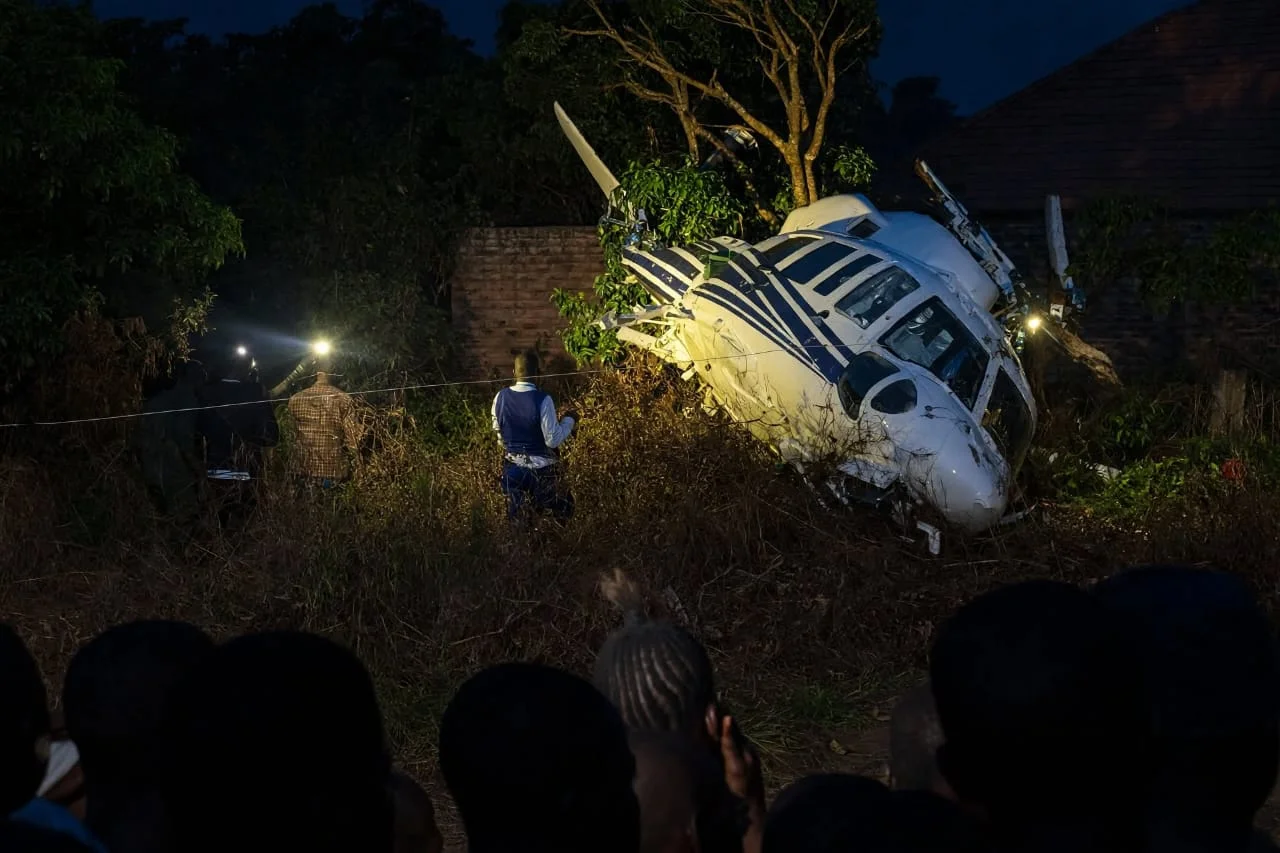
Zimbabwean businessman Wicknell Chivayo is reportedly among those who died after a helicopter crashed in the Marondera area of Zimbabwe on Wednesday evening.
The helicopter went down at approximately 5:00 p.m. local time in a rural part of Marondera, southeast of Harare. Zimbabwean authorities confirmed that the aircraft was carrying six people and that there were no survivors.
Government spokesperson Nick Mangwana said the passengers included a high-profile businessman, three other passengers and two pilots. Police said emergency teams were dispatched to the crash site and that the identities of those who died would be formally confirmed.
Reuters reported that local Zimbabwean media outlet identified businessman Wicknell Chivayo as one of those aboard the helicopter. However, at the time of reporting, Zimbabwean police had not yet officially released the names of the victims.
Wicknell Chivayo is a prominent Zimbabwean businessman who has built a public profile through his business interests, philanthropy and highly visible lifestyle.
He is associated with Intratrek Zimbabwe and has been involved in major projects in Zimbabwe, including the Gwanda Solar Project. Over the years, Chivayo has also attracted considerable public attention through large charitable donations, luxury vehicles, aircraft and his relationships with prominent political and public figures.
His public profile has extended beyond Zimbabwe. In recent years, Chivayo has been photographed with several African political leaders and has maintained a strong presence on social media. The Mail & Guardian described him as one of Zimbabwe’s most prominent young businessmen, while also noting the controversy and political scrutiny surrounding his business career.
Chivayo has also been known for his philanthropic gestures. In April 2026, for example, reports said he donated a new Toyota Fortuner and US$50,000 to Ronald Mujuru, who had lost his wife and five children in a road accident.
The crash has shocked Zimbabwe, with emergency personnel responding to the scene in the Marondera area shortly after the aircraft went down.
According to police, the victims were badly burned, making formal identification necessary. Authorities have said that further details, including the names of those killed, would be released after the identification process.
The cause of the crash has not yet been established. An investigation is expected to determine what happened to the aircraft before it went down.
Reports circulating on social media and some online news platforms have identified Chivayo and his wife, Lucy Muteke, among those believed to have been aboard. These reports should be treated with caution until the Zimbabwe Republic Police formally confirms the identities.
The crash comes as a major shock to Chivayo’s family, business associates and the many people who have followed his highly publicised life.
For now, authorities are concentrating on identifying the victims and determining the circumstances surrounding the crash. More information is expected as police and investigators complete their work.
This is a developing story and details may change as Zimbabwean authorities formally confirm the identities of those who died.
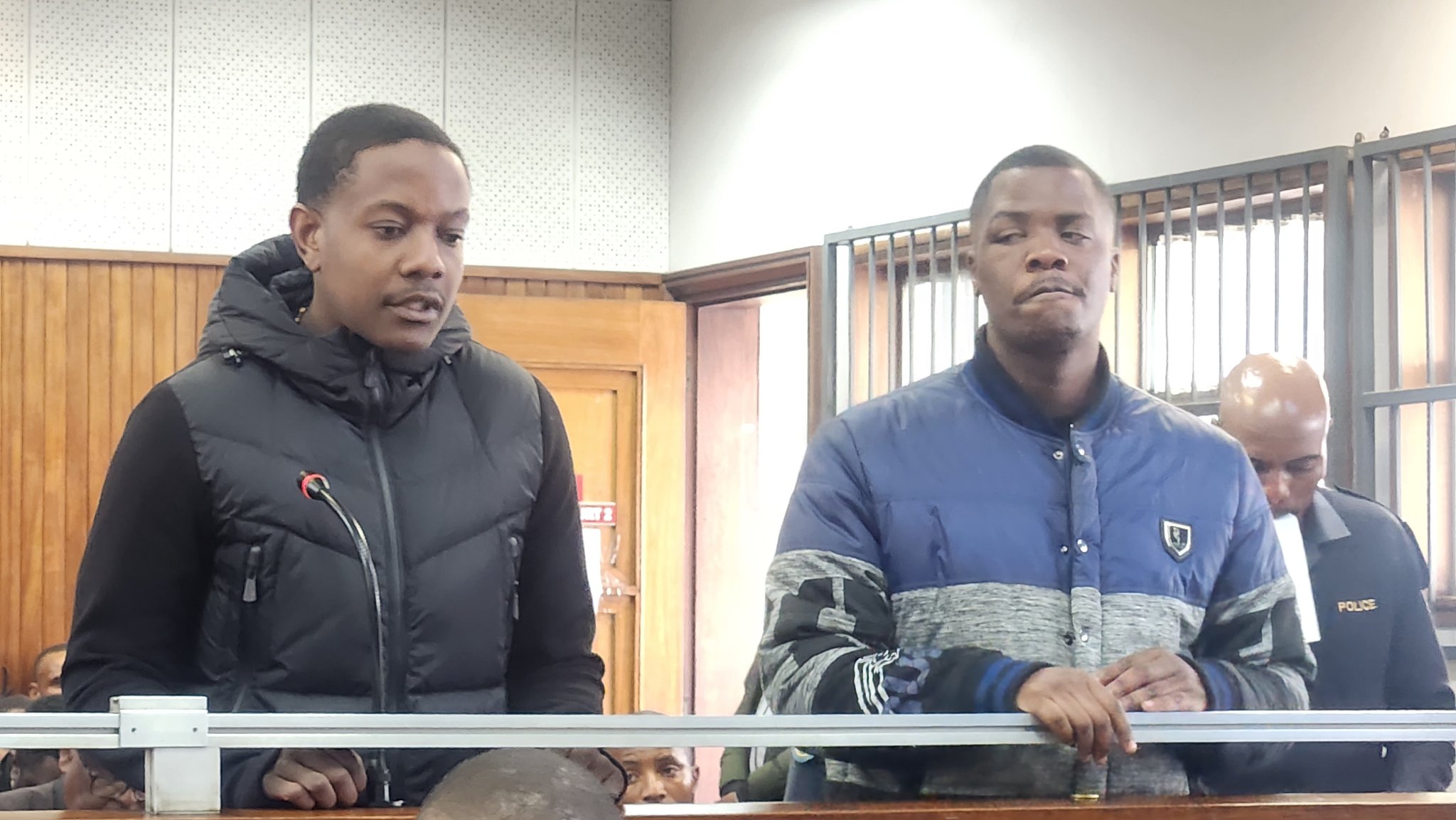
Bellarmine Mugabe is set to be sentenced in a South African court alongside his co-accused, Tobias Matonhodze, in a case that has drawn significant public attention due to its serious charges and high-profile connections.
Mugabe, the son of former Zimbabwean leader Robert Mugabe, pleaded guilty to being in South Africa illegally and to pointing a firearm. The firearm-related charge stems from a separate incident that reportedly occurred just weeks before a more widely reported shooting involving his security guard, Sipho Mahlangu, at his residence in Hyde Park.
While Mugabe admitted to the charges against him, the court also heard details surrounding the broader sequence of events that have intensified scrutiny on the case. The earlier firearm incident has raised questions about a pattern of behaviour leading up to the shooting of Mahlangu, which remains a central point of concern.
Co-accused Matonhodze faces a more extensive list of charges. He pleaded guilty to attempted murder, defeating the ends of justice, violating South Africa’s immigration laws, and possession of ammunition. His admissions place him at the centre of the most serious aspects of the case, particularly the attempted murder charge linked to the shooting incident.
In a key development presented in court, the investigating officer revealed that the victim, Sipho Mahlangu, has already received R250,000 in compensation, with a further R150,000 still outstanding. Despite this, the officer urged the court to impose a harsh sentence, arguing that both accused have failed to cooperate fully—particularly in revealing the whereabouts of the firearm used in the incident.
The missing weapon remains a critical issue in the case. Prosecutors maintain that the failure to recover the firearm points to a lack of accountability and reinforces the need for a custodial sentence. According to the state, the accused have shown little remorse, strengthening the argument for stricter punishment.
However, the defence has pushed back against these claims, telling the court that the firearm may have been removed by another individual. They argued that multiple people were present in the house at the time, raising the possibility that someone else could have taken the weapon, and therefore the accused cannot be solely blamed for its disappearance.
The defence has also continued to argue for a non-custodial sentence, citing the guilty pleas and compensation paid to the victim as mitigating factors. They are expected to emphasise cooperation and the avoidance of a lengthy trial as reasons for leniency.
The case has attracted widespread attention across the region, not only because of the individuals involved but also due to the seriousness of the charges and the broader implications around immigration violations and firearm-related offences in South Africa.
As sentencing looms, the court faces a critical decision that could set the tone for how similar high-profile cases are handled. Whether the judge opts for a harsh custodial sentence or a more lenient approach will likely have lasting implications, both legally and in the court of public opinion.
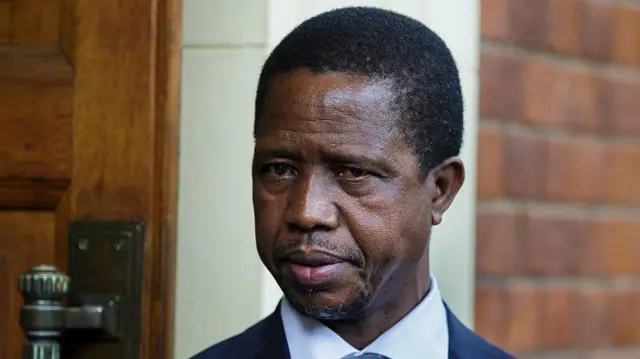
The body of former Zambian president Edgar Lungu has reportedly gone missing from a South African funeral facility following an intervention by the South African Police Service, sparking confusion and diplomatic concern.
According to emerging details, the late leader’s remains were being kept at a private mortuary in South Africa when police officials arrived and removed the body as part of an undisclosed operation. The development has raised urgent questions about the circumstances surrounding the removal and who currently has custody of the remains.
The incident comes amid an ongoing dispute between Lungu’s family and authorities over funeral arrangements. The family had previously expressed a strong preference for handling the burial process privately, including choosing the mortuary where the body would be kept, while officials have indicated that protocols linked to former heads of state must be followed.
The reported removal of the body has intensified tensions, with family representatives now demanding clarity on where the remains have been taken and under whose authority the action was carried out. Concerns have also been raised about whether proper procedures were followed during the operation.
Sources suggest the police intervention may be linked to legal or administrative processes, although no official confirmation has been provided on the exact reasons behind the move. Authorities have yet to issue a detailed public explanation, leaving room for speculation and growing public interest.
The situation has drawn attention both in South Africa and Zambia, where the passing of the former president has already been a matter of national significance. Any uncertainty surrounding his final arrangements is likely to carry both political and diplomatic implications.
Lungu, who served as Zambia’s president from 2015 to 2021, remains a prominent figure in the country’s recent political history. His death has prompted widespread reaction, and the handling of his remains is being closely watched by supporters, political figures, and regional observers.
As developments continue, the focus is now on establishing the facts around the removal of the body and ensuring that a resolution is reached between all parties involved. The matter is expected to involve further engagement between authorities, the family, and possibly diplomatic channels as efforts are made to resolve the situation and proceed with funeral arrangements.


Wicknell Chivayo Reportedly Among Victims of Fatal Helicopter Crash in Zimbabwe

Celebrating the Extraordinary Career of Veteran Actor Seputla Sebogodi

Former Enyobeni Tavern owners found liable in inquest into deaths of 21 teenagers

High Alert for 30 June as Anti-Illegal Immigration Protests Expected in Several Provinces

Tyra Banks Takes Legal Action Over Netflix Documentary,

TV Personality Jub Jub Arrested After Alleged Kidnapping and Firearm Incident in Edenvale

Gerda Steyn Reigns Supreme Again with Record-Breaking Fifth Comrades Marathon Triumph

Doja Cat Roasts Elon Musk While Begging for X Feature Return

Ramaphosa Announces Five Measures to Tackle Illegal Immigration Amid Rising Tensions

Ngizwe Mchunu Issues Public Apology to Julius Malema After Defamation Court Ruling
-

 Africa News10 years ago
Jesus Is NOT Coming BACK – Vatican Says
-

 Gig Guide3 years ago
10th DStv Delicious International Food & Music – 23-24 September 2023
-

 Tech News3 years ago
Here’s what we know about Samsung UI 6, Android 14
-

 Football3 years ago
Itumeleng Khune: I am not ready to retire
-

 Entertainment3 years ago
2023 DStv Content Creator Awards Nominees
-

 Gig Guide2 years ago
Grootman and Gcinile tlof tlof tape leaked
-

 Football3 years ago
FIFA Women’s World Cup 2023: Spain 3 – 0 Costa Rica
-

 Football3 years ago
Bournemouth 0 – 2 Tottenham Hotspur