
Mzansi Celebs
Shebeshxt Court Case Takes Emotional Turn as Judge Rejects Child Argument

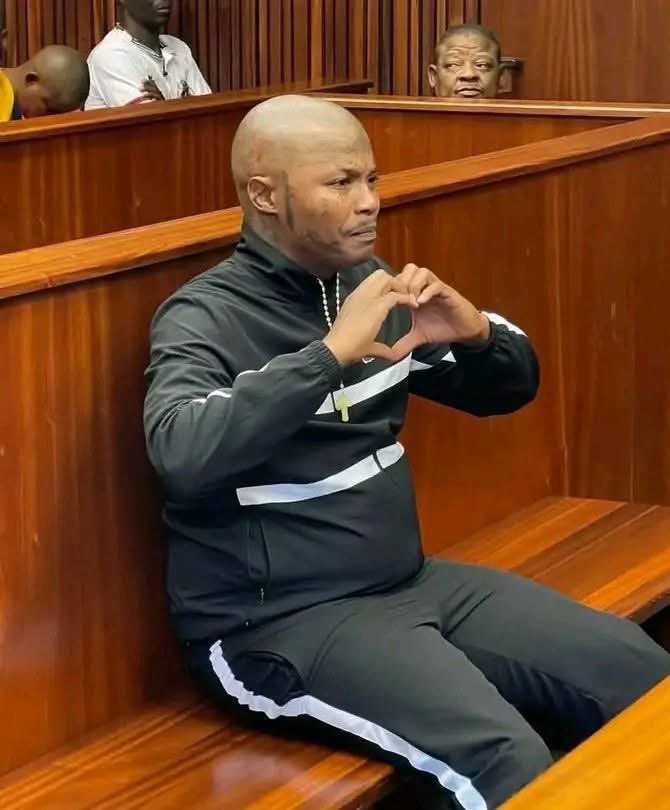
The ongoing court case involving Limpopo musician Lehlogonolo Katlego Chauke, popularly known as Shebeshxt, has taken an emotional turn following tense exchanges between the defence and the court.
During the latest proceedings, Shebeshxt’s legal team attempted to convince the court to consider his family circumstances, particularly focusing on his child. The defence argued that he should be released, stating that his partner is unemployed and financially dependent on him, and that his continued detention places strain on his family.
However, the presiding judge firmly dismissed this argument, making it clear that the child should not be used as a reason to secure his release. The judge emphasised that the court cannot allow a minor to be turned into a “victim” of legal proceedings, reinforcing that the case must be decided on its merits rather than emotional appeals.
The case has drawn widespread attention across South Africa, with many describing it as deeply troubling due to the serious nature of the allegations. Shebeshxt is facing charges linked to violent incidents, including allegations of attempted murder following a shooting involving members of the public.
Court proceedings so far have painted a concerning picture, with claims of intimidation and interference in previous cases adding to the gravity of the situation. These factors have contributed to the state’s argument that granting bail could pose risks, further complicating the defence’s efforts to secure his release.
Despite the defence’s push for leniency, the court has maintained a firm stance, with Shebeshxt remaining in custody as the legal process continues. The matter is expected to proceed through higher courts, indicating that the case is far from reaching a conclusion.
The judge’s remarks have sparked debate, particularly around the balance between personal circumstances and the need for accountability. While some believe family hardship should be taken into account, others support the court’s position that justice should not be influenced by factors unrelated to the charges.
As proceedings continue, the case remains one of the most closely watched in the country, raising broader questions about accountability, the justice system, and the responsibilities of public figures.
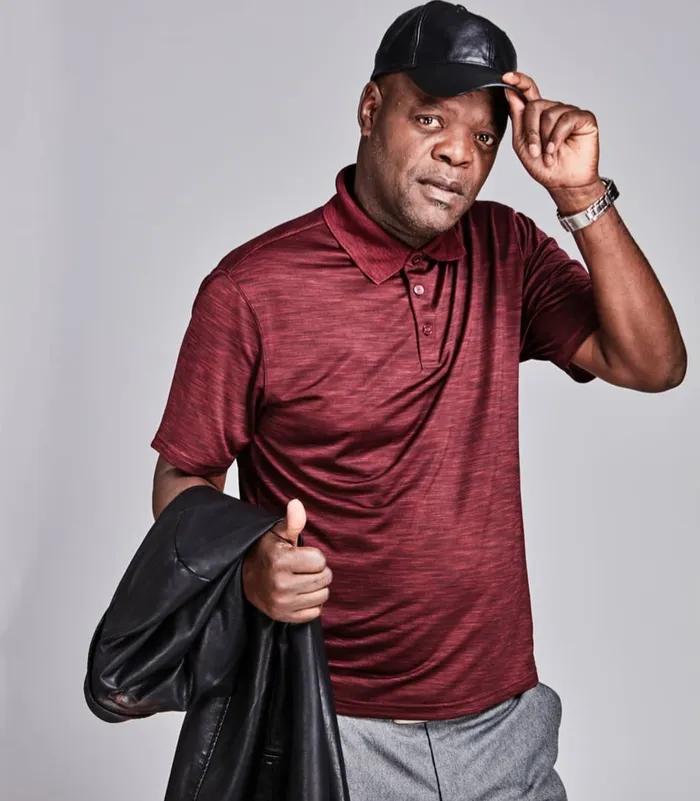
Few actors manage to build a career that earns the admiration of audiences across multiple generations, but Seputla Sebogodi achieved exactly that. The veteran South African actor, widely recognised for his role as Kenneth Mashaba on Generations, leaves behind a remarkable legacy defined by talent, integrity and dedication to the performing arts.
Sebogodi’s contribution to South African entertainment stretched across several decades, during which he became one of the country’s most respected performers. His ability to portray believable, emotionally rich characters earned him widespread acclaim and made him a familiar face in homes throughout the nation.
His journey began in theatre, where he developed a deep appreciation for storytelling and performance. Stage acting allowed him to sharpen his skills while learning the discipline required to sustain a long and successful career. Those early experiences laid the groundwork for his transition into television and film.
As Kenneth Mashaba in Generations, Sebogodi became one of the programme’s most recognisable faces. His performances reflected maturity, wisdom and emotional intelligence, qualities that resonated strongly with viewers. Rather than relying on exaggerated acting, he delivered natural performances that felt genuine and deeply human.
Throughout his career, Sebogodi consistently demonstrated impressive versatility. He embraced challenging roles and approached each character with careful preparation. Whether portraying authority figures, caring fathers or respected community members, he ensured every performance carried authenticity and emotional depth.
One of Sebogodi’s greatest strengths was his professionalism. Producers and directors frequently praised his reliability, punctuality and commitment to excellence. Fellow cast members admired the calm confidence he brought to every production, making him both a respected colleague and trusted collaborator.
Beyond acting, Sebogodi played an important role in mentoring younger performers entering the industry. He believed experience should be shared rather than guarded and often encouraged aspiring actors to remain patient, disciplined and committed to continuous learning. Many emerging stars credit veteran performers like Sebogodi for helping shape their careers.
His influence reached audiences far beyond entertainment. Through the characters he portrayed, Sebogodi reflected everyday South African experiences, highlighting family values, leadership, resilience and community. His work demonstrated how television could both entertain and inspire meaningful conversations.
Following news of his passing, tributes poured in from across South Africa. Fans shared memories of favourite scenes, while colleagues expressed gratitude for the opportunity to work alongside one of the industry’s true professionals. Many described him as a gentleman whose kindness matched his immense talent.
As the entertainment industry continues to evolve, Sebogodi’s career stands as a reminder that lasting success is built on consistency, humility and respect for the craft. His performances remain valuable examples of authentic acting that prioritised character over spectacle.
Future generations discovering South African television history will undoubtedly encounter Seputla Sebogodi’s work and understand why he earned such widespread admiration. His influence will continue through archived productions, educational programmes and the many actors inspired by his example.
Although his passing marks the end of an extraordinary chapter in South African entertainment, his contribution will never be forgotten. Seputla Sebogodi leaves behind a body of work that reflects excellence, passion and unwavering dedication to storytelling.
His name will forever occupy a special place in the history of South African television, reminding audiences that truly great actors never fade from memory. Through every role he played and every life he touched, Seputla Sebogodi created a legacy that will endure for generations.
Mzansi Celebs
TV Personality Jub Jub Arrested After Alleged Kidnapping and Firearm Incident in Edenvale
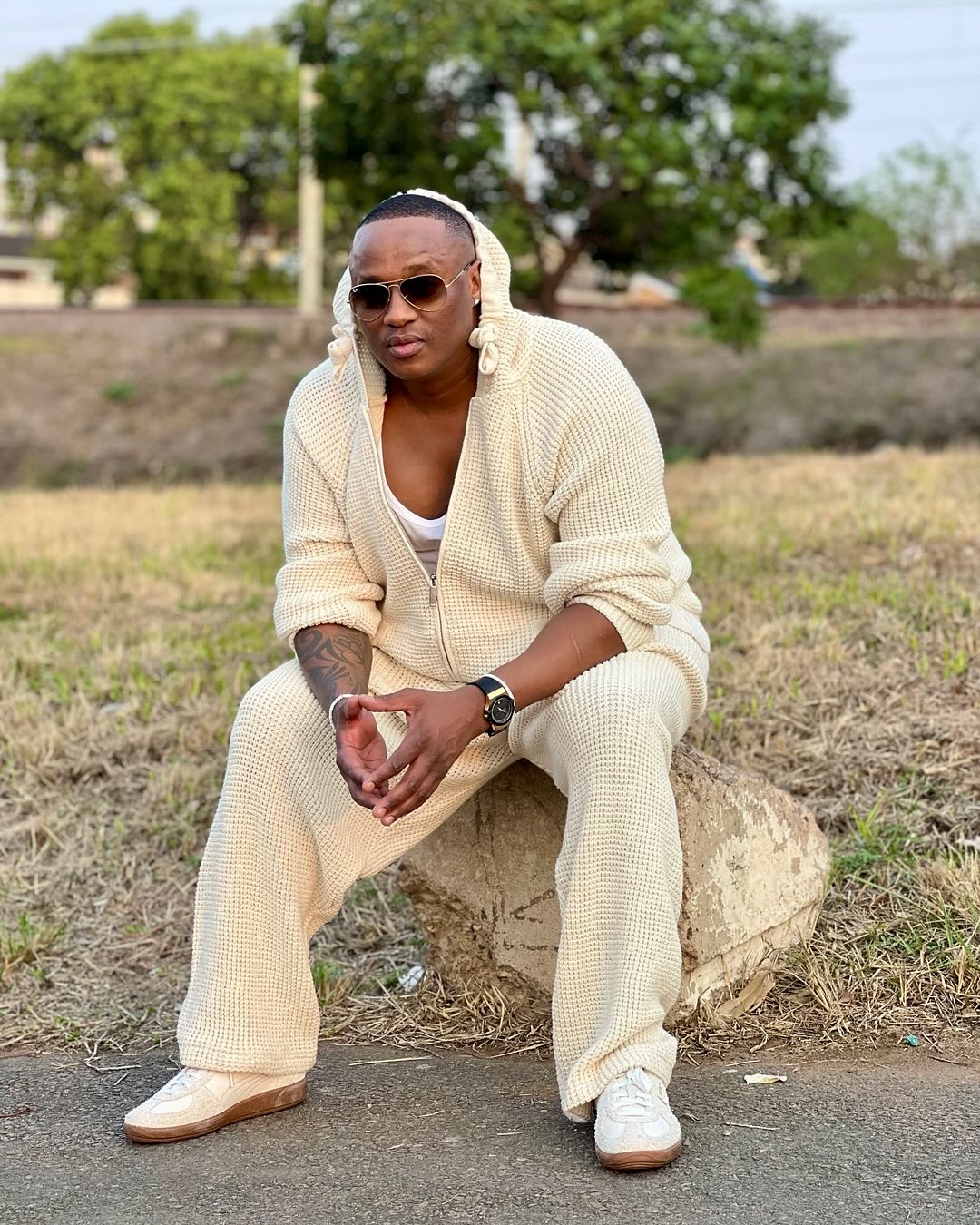
Media personality and musician Molemo Maarohanye, widely known by his stage name Jub Jub, has reportedly been arrested in connection with an alleged kidnapping and shooting incident involving an e-hailing driver in Edenvale, Gauteng.
Although police have not officially identified the suspect, reports from eNCA indicate that the arrested individual is Maarohanye. He is expected to make his first court appearance in the Germiston Magistrate’s Court on Monday.
According to police spokesperson Brigadier Athlenda Mathe, the incident unfolded early on Sunday morning when an e-hailing driver transported a female passenger to a residence in Edenvale.
Police allege that upon arriving at the destination, the driver was confronted by a man who accused him of being romantically involved with his girlfriend. The confrontation allegedly escalated when the suspect forced the driver into his vehicle and prevented him from leaving the scene.
Authorities further claim that during the incident, a firearm was discharged in the direction of the driver. Fortunately, the victim was not injured.
The driver reportedly managed to escape from the situation and drove directly to a nearby police station, where he reported the matter to authorities.
In a statement issued on Sunday, the South African Police Service confirmed the arrest of a 45-year-old man on charges including kidnapping, the unlawful discharge of a firearm, and defeating the ends of justice.
Following the complaint, police officers launched an immediate operation that led to the suspect’s arrest shortly afterwards. Investigators are continuing to gather evidence and establish the full circumstances surrounding the incident.
The arrest marks another legal challenge for Maarohanye, whose previous encounters with the justice system have frequently attracted widespread public attention and media coverage over the years.
At this stage, police have not disclosed additional details about the case, and investigations remain ongoing. More information is expected to emerge when the matter is brought before the Germiston Magistrate’s Court.
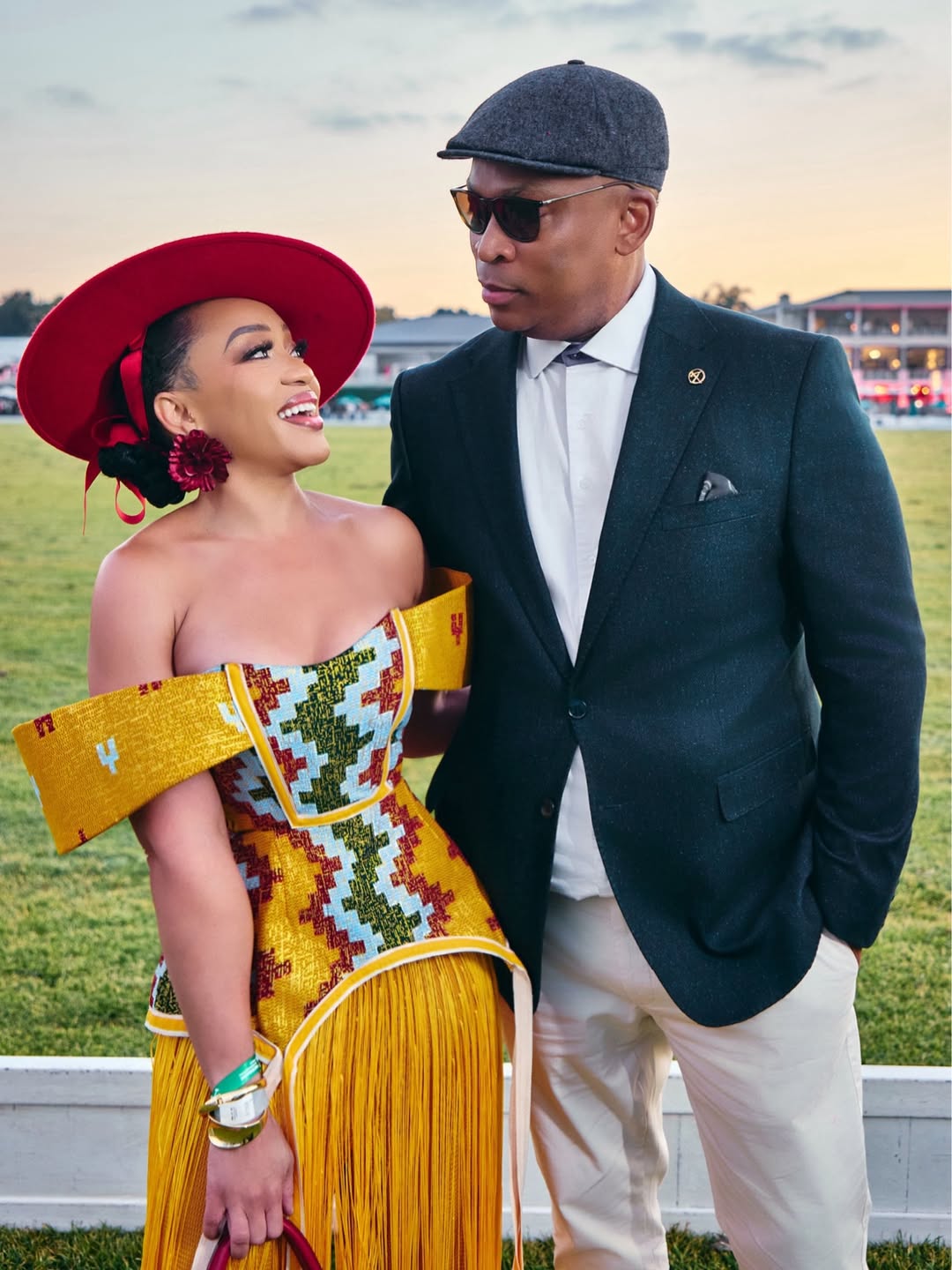
South African actress and radio personality Thando Thabethe has sent social media into a frenzy after finally sharing a photo of sports broadcaster Robert Marawa on her Instagram—fueling excitement among fans who have long speculated about their relationship.
The 947 presenter posted a carousel of glamorous photos from the recent Nedbank International Polo event held at the Inanda Club in Sandton. While fans admired her elegant look, it was the final image in the post that quickly stole the spotlight—a candid and affectionate snap of Thabethe and Marawa gazing into each other’s eyes while holding each other closely.
For many followers, the post felt like an official confirmation of what has been one of Mzansi’s most talked-about celebrity romances.
The pair have been romantically linked since late 2023, but both Thabethe and Marawa have kept their relationship largely private, choosing not to publicly address the speculation. Despite being spotted together at various events, holidays, and even sporting matches, neither had shared a photo together on social media—until now.
Fans wasted no time flooding the comment section with excitement, with many saying they had been waiting for this moment. Some described the photo as “Instagram official,” while others praised the couple for keeping their relationship low-key and classy.
The chemistry between the two has been the subject of public fascination for months, especially after the pair were seen vacationing abroad earlier this year. Although eagle-eyed followers noticed they were posting from the same locations, they carefully avoided featuring each other in their pictures—adding even more intrigue to the rumours.
Robert Marawa also recently added to the speculation during an appearance on Thando’s 947 radio show, when he was asked directly about his relationship status. While he didn’t explicitly confirm anything, his playful response left many convinced that romance was indeed in the air.
Now, with Thando’s latest Instagram post, many fans believe the couple may finally be ready to share their love story more openly.
Thabethe, one of South Africa’s most celebrated media personalities, has always been selective about what she shares about her private life, making the post even more significant for her followers. Meanwhile, Marawa—known for his high-profile career in sports broadcasting—has also maintained a relatively guarded approach when it comes to his personal relationships.
Whether this marks a full public debut or simply a rare glimpse into their private world, one thing is certain: Mzansi is obsessed.
Social media continues to buzz with excitement, and fans are already hoping this is just the beginning of more adorable couple moments from one of South Africa’s favourite rumoured celebrity pairings.


Celebrating the Extraordinary Career of Veteran Actor Seputla Sebogodi

Former Enyobeni Tavern owners found liable in inquest into deaths of 21 teenagers

High Alert for 30 June as Anti-Illegal Immigration Protests Expected in Several Provinces

Tyra Banks Takes Legal Action Over Netflix Documentary,

TV Personality Jub Jub Arrested After Alleged Kidnapping and Firearm Incident in Edenvale

Gerda Steyn Reigns Supreme Again with Record-Breaking Fifth Comrades Marathon Triumph

Doja Cat Roasts Elon Musk While Begging for X Feature Return

Ramaphosa Announces Five Measures to Tackle Illegal Immigration Amid Rising Tensions

Ngizwe Mchunu Issues Public Apology to Julius Malema After Defamation Court Ruling

Tempers Flare in Parliament Over Rules for Ramaphosa Phala Phala Impeachment Inquiry

Thando Thabethe and Robert Marawa Spark Relationship Buzz with Instagram Debut

Limpopo Officers Stop Overloaded Bus with 90 Passengers on N1
Ngizwe Mchunu Issues Public Apology to Julius Malema After Defamation Court Ruling
Gerda Steyn Reigns Supreme Again with Record-Breaking Fifth Comrades Marathon Triumph

ANC Backs Tougher Action on Undocumented Migration Amid Rising Public Pressure

West Rand Residents Fear for Their Safety as Massive Sinkholes Emerge in Witpoortjie Estate
High Alert for 30 June as Anti-Illegal Immigration Protests Expected in Several Provinces

Reserve Bank Raises Interest Rates by 25 Basis Points
Ramaphosa Announces Five Measures to Tackle Illegal Immigration Amid Rising Tensions
Tempers Flare in Parliament Over Rules for Ramaphosa Phala Phala Impeachment Inquiry
-

 Entertainment3 years ago
Cyan Boujee makes her Instagram private after her leaked explicit tape
-

 Africa News10 years ago
Jesus Is NOT Coming BACK – Vatican Says
-

 Gig Guide3 years ago
10th DStv Delicious International Food & Music – 23-24 September 2023
-

 Football3 years ago
Itumeleng Khune: I am not ready to retire
-

 Tech News3 years ago
Here’s what we know about Samsung UI 6, Android 14
-

 Entertainment3 years ago
2023 DStv Content Creator Awards Nominees
-

 Football3 years ago
FIFA Women’s World Cup 2023: Spain 3 – 0 Costa Rica
-

 Gig Guide2 years ago
Grootman and Gcinile tlof tlof tape leaked