
Business
Olympus Sandton takes shape as landmark mixed-use development enters construction phase

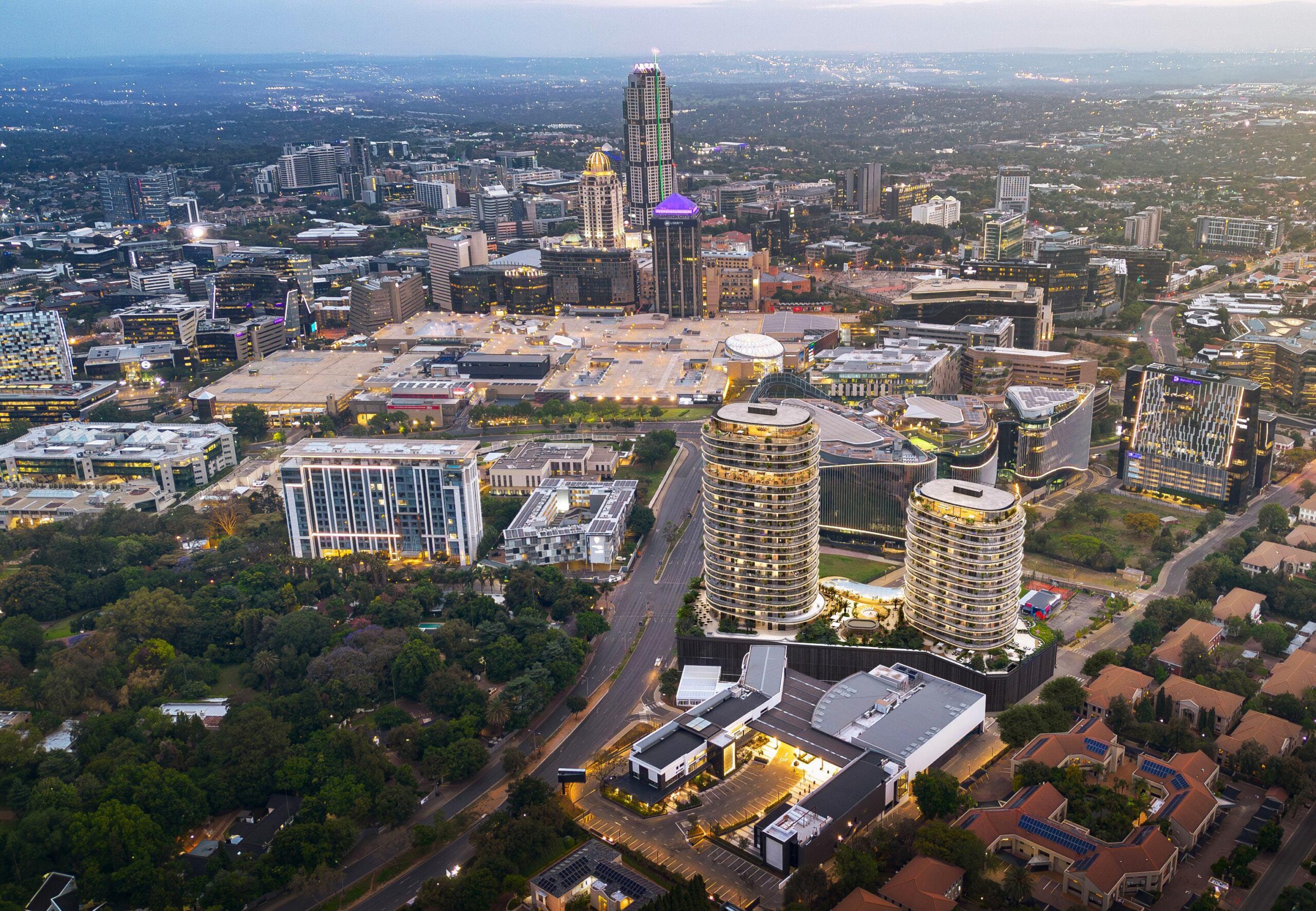
A major new development is beginning to reshape the skyline of Sandton as Olympus Sandton officially moves into its construction phase, marking a significant milestone for one of the city’s most ambitious mixed-use projects.
Developed through a partnership between Tricolt Group and Growthpoint Properties, the project has already generated strong market interest, with more than 80% of its residential units sold before construction has even fully taken off. The milestone was recently marked with a ceremonial groundbreaking, signalling the transition from planning and sales into physical development.
Positioned at a strategic entry point into Sandton’s business district, Olympus is designed to reflect a broader shift in how people want to live and work in South Africa’s economic hub. The development is within walking distance of major corporate offices, retail centres, and lifestyle destinations, reinforcing the growing appeal of walkable, integrated urban living.

The project blends luxury residential apartments with curated retail offerings and wellness-focused amenities, creating an environment where residents can live, work, and socialise within a single precinct. Developers say this approach responds directly to changing lifestyle patterns, particularly as more professionals prioritise convenience, accessibility, and quality of life.
Architecturally, Olympus Sandton is expected to stand out with its twin-tower design and elevated positioning, aimed at delivering both visual impact and panoramic views of the surrounding cityscape. The inclusion of hospitality-style features further sets it apart from traditional residential developments, signalling a move toward more experience-driven living spaces.
Sandton itself has undergone a noticeable transformation in recent years. Once primarily known as a corporate and financial hub, the area is increasingly evolving into a mixed-use urban neighbourhood where residential, commercial, and leisure spaces are closely integrated. This shift has been driven by changing work habits, traffic pressures, and a growing demand for convenience.
Growthpoint’s broader vision for the area includes the development of connected, pedestrian-friendly precincts, with Olympus forming part of a larger plan to create one of Gauteng’s leading walkable urban environments. The aim is to redefine how the city’s financial district is experienced, moving away from purely office-based activity toward a more balanced, lifestyle-oriented ecosystem.
Market response to Olympus has been particularly strong, with total sales surpassing R1.4 billion since launch. Interest has come from both local buyers and international investors, reflecting confidence in Sandton’s long-term growth and its continued status as a prime property destination.

The high demand has also influenced construction plans, with both towers now being developed simultaneously. This approach is intended to ensure that all amenities and shared facilities are available to residents from the outset, rather than being phased in over time.
With limited units remaining, developers say the project is entering its final window for buyers looking to secure a foothold in one of Sandton’s most high-profile developments. As construction progresses, Olympus Sandton is expected to play a key role in shaping the next chapter of urban living in Johannesburg’s financial heart.
The South African Reserve Bank (SARB) has increased the repo rate by 25 basis points, dealing another blow to consumers already battling rising living costs and economic uncertainty.
The decision means the repo rate moves higher, prompting commercial banks to increase their prime lending rates. As a result, South Africans with home loans, vehicle finance and other credit agreements are expected to pay more in monthly repayments.
Announcing the decision, the Reserve Bank said the move was necessary to keep inflation under control and maintain price stability in the economy. The central bank warned that global economic pressures, volatile fuel prices and ongoing uncertainty in international markets continue to pose risks to inflation.
The increase comes at a difficult time for households, with many consumers already struggling under the weight of high food prices, electricity tariff hikes and transport costs. Economists say the latest rate adjustment could further reduce disposable income and place additional strain on indebted consumers.
Homeowners are likely to feel the impact immediately, especially those with variable-rate bonds. Financial experts estimate that even a small increase in interest rates can significantly raise monthly repayments over time, affecting household budgets across the country.
Businesses are also expected to face tougher conditions as borrowing becomes more expensive. Small and medium-sized enterprises that rely on credit to operate or expand may delay investment plans due to higher financing costs.
Despite concerns about slowing economic growth, the Reserve Bank insists that controlling inflation remains a priority. SARB has repeatedly stated that keeping inflation within its target range is essential to protect consumers and support long-term economic stability.
Economists remain divided on whether additional rate hikes could follow later in the year. Some believe inflationary pressures may force the central bank to remain cautious, while others argue that higher rates risk weakening already fragile economic growth.
The latest increase adds to financial pressure on millions of South Africans as the country continues to grapple with unemployment, sluggish growth and ongoing infrastructure challenges.
South Africa’s competition watchdog, the Competition Commission of South Africa, has launched a wide-ranging review aimed at cutting red tape and making it easier for small businesses to enter and grow within the country’s economy.
The initiative focuses on identifying regulations and administrative barriers that may be limiting competition, particularly for small, micro and medium enterprises (SMMEs). Authorities believe that many smaller businesses are being held back by complex compliance requirements, licensing delays, and restrictive rules that favour larger, established players.
The review comes amid broader government efforts to improve the ease of doing business and stimulate economic growth. President Cyril Ramaphosa has previously highlighted the need to streamline regulations and reduce unnecessary bureaucracy, especially as small businesses are seen as key drivers of job creation and economic activity.
At the heart of the Commission’s plan is a push to level the playing field by removing obstacles that prevent smaller firms from competing effectively in various industries. This includes examining outdated laws, inconsistent licensing systems, and regulatory overlaps that may discourage entrepreneurship or slow down business expansion.
The move is also linked to ongoing discussions around proposed reforms such as the Business Licensing Bill, which aims to create a more uniform system across national, provincial, and local government structures. While the proposal seeks to modernise business regulation, it has also faced criticism from some business groups who fear it could introduce additional layers of complexity if not carefully implemented.
Officials say the review process will involve consultations with stakeholders, including small business owners, industry groups, and policymakers, to better understand the real challenges faced on the ground. The goal is to ensure that any regulatory changes are practical, targeted, and supportive of economic inclusion.
The Commission’s intervention reflects a growing recognition that regulatory barriers can significantly impact market participation. By reducing red tape, authorities hope to unlock opportunities for smaller businesses to compete, innovate, and contribute more meaningfully to the economy.
In recent years, there has been increasing emphasis on creating a more inclusive economic environment in South Africa, with competition policy playing a key role in breaking down structural barriers and encouraging new entrants into various sectors.
If successful, the initiative could mark a turning point for small businesses, many of which have struggled to navigate complex regulatory systems. The outcome of the review is expected to shape future policy decisions and could lead to reforms aimed at making South Africa a more accessible and competitive market for entrepreneurs.
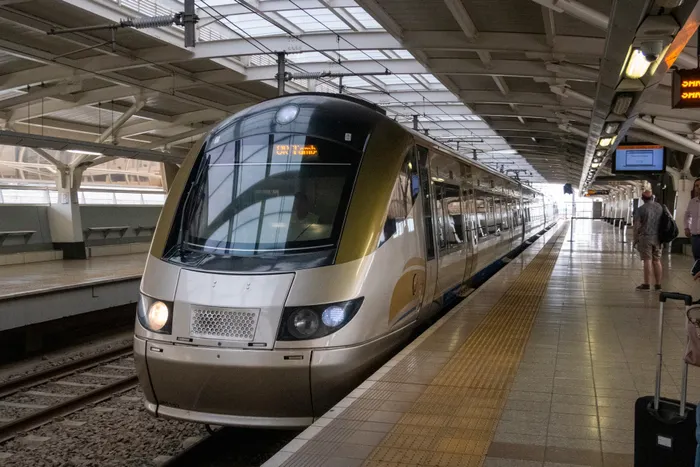
Commuters using the Gautrain between Sandton and Rosebank can breathe a sigh of relief as services on the busy route have resumed and trains are once again operating according to schedule.
The disruption, which affected one of the system’s most heavily used commuter links, caused delays and inconvenience for thousands of passengers who rely on the rail service for daily travel between Johannesburg’s key business and residential hubs.
Gautrain management confirmed that operations have now been fully restored, with normal timetables reinstated on the affected section of the line. The operator also issued an apology to commuters, acknowledging the impact of the interruption on travel plans and daily schedules.
The Sandton–Rosebank corridor is one of the busiest sections of the Gautrain network, connecting major economic and commercial zones in Gauteng. Any disruption on this route typically has a ripple effect, particularly during peak morning and evening travel periods when passenger volumes are at their highest.
While the cause of the disruption has not been fully detailed, rail operators often face challenges ranging from technical faults and signalling issues to scheduled maintenance work that can temporarily affect service continuity. Gautrain has in recent years invested heavily in maintaining reliability and reducing downtime across its network.
Commuters have been encouraged to continue using official Gautrain communication channels for real-time updates, especially during periods of maintenance or unexpected interruptions. The operator has also reiterated its commitment to maintaining a safe, efficient, and punctual service across all routes.
The restoration of service comes as public transport demand continues to grow in Gauteng, with many commuters relying on rail as a faster and more predictable alternative to road traffic congestion. The Gautrain remains a key part of the province’s integrated transport strategy, linking Johannesburg, Pretoria, and OR Tambo International Airport.
Passengers have welcomed the return to normal operations, with many expressing relief that delays on the Sandton–Rosebank stretch have been resolved. For daily commuters, even short disruptions on this corridor can result in significant delays due to the volume of passenger traffic it handles.
Gautrain officials have thanked commuters for their patience during the disruption and assured the public that efforts remain ongoing to ensure service reliability is maintained at all times.
With operations now back on schedule, the focus returns to maintaining stability on one of South Africa’s most important rapid rail systems, which continues to play a vital role in easing congestion and supporting economic activity across Gauteng.


Wicknell Chivayo Reportedly Among Victims of Fatal Helicopter Crash in Zimbabwe

Celebrating the Extraordinary Career of Veteran Actor Seputla Sebogodi

Former Enyobeni Tavern owners found liable in inquest into deaths of 21 teenagers

High Alert for 30 June as Anti-Illegal Immigration Protests Expected in Several Provinces

Tyra Banks Takes Legal Action Over Netflix Documentary,

TV Personality Jub Jub Arrested After Alleged Kidnapping and Firearm Incident in Edenvale

Gerda Steyn Reigns Supreme Again with Record-Breaking Fifth Comrades Marathon Triumph

Doja Cat Roasts Elon Musk While Begging for X Feature Return

Ramaphosa Announces Five Measures to Tackle Illegal Immigration Amid Rising Tensions

Ngizwe Mchunu Issues Public Apology to Julius Malema After Defamation Court Ruling
Former Enyobeni Tavern owners found liable in inquest into deaths of 21 teenagers
Celebrating the Extraordinary Career of Veteran Actor Seputla Sebogodi
Wicknell Chivayo Reportedly Among Victims of Fatal Helicopter Crash in Zimbabwe
-

 Entertainment3 years ago
Cyan Boujee makes her Instagram private after her leaked explicit tape
-

 Africa News10 years ago
Jesus Is NOT Coming BACK – Vatican Says
-

 Gig Guide3 years ago
10th DStv Delicious International Food & Music – 23-24 September 2023
-

 Football3 years ago
Itumeleng Khune: I am not ready to retire
-

 Tech News3 years ago
Here’s what we know about Samsung UI 6, Android 14
-

 Entertainment3 years ago
2023 DStv Content Creator Awards Nominees
-

 Gig Guide2 years ago
Grootman and Gcinile tlof tlof tape leaked
-

 Football3 years ago
FIFA Women’s World Cup 2023: Spain 3 – 0 Costa Rica