
Mzansi News
Gauteng records rise in malaria deaths as travel-related infections increase

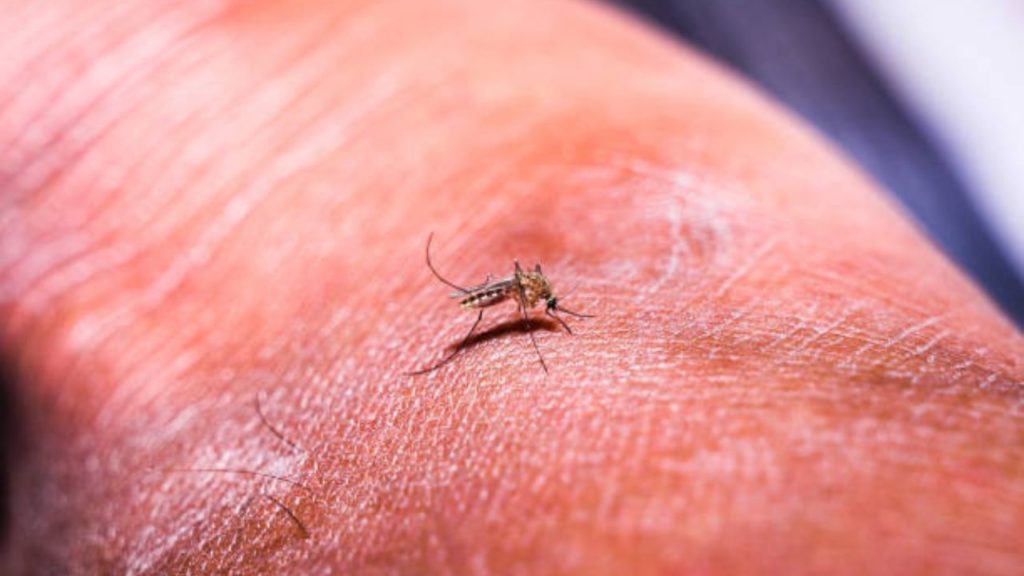
Gauteng is experiencing a worrying rise in malaria-related deaths as health authorities report a sharp increase in travel-related infections across the province. While malaria is not normally endemic in Gauteng, recent weeks have seen a growing number of severe cases linked to residents returning from high-risk malaria regions within South Africa and neighbouring countries.
Hospitals across the province have reported an uptick in patients presenting with advanced symptoms of malaria, with several cases only being diagnosed at critical stages. Health officials say the majority of infections are travel-related, with many patients having visited malaria-endemic areas such as Limpopo, Mpumalanga, northern KwaZulu-Natal, and parts of Mozambique, Zimbabwe, and Botswana during the recent travel period.
Medical professionals warn that delayed diagnosis remains one of the key factors contributing to fatalities. Early malaria symptoms, which often resemble flu-like illness, are frequently overlooked. By the time patients seek medical attention, the disease may have already progressed to severe complications affecting vital organs.
Doctors in Gauteng have raised concerns that public awareness about malaria risk remains low, particularly among travellers who do not take preventive medication or fail to use mosquito protection measures when visiting high-risk areas. Health practitioners are urging residents to treat any fever occurring after travel as a medical emergency and to seek immediate testing.
The Gauteng Department of Health has acknowledged the increase in cases and says surveillance systems have been strengthened to monitor and respond to imported malaria infections. Hospitals and clinics have been placed on alert to ensure rapid diagnosis and treatment, with a focus on preventing further deaths.
Authorities emphasise that while Gauteng itself is not a malaria transmission zone, the province remains vulnerable due to high levels of mobility and travel. Seasonal movement of people, particularly during holidays and long weekends, is believed to be contributing to the current spike.
Health experts are also warning that climate variability and changing rainfall patterns in southern Africa may be expanding mosquito breeding zones, increasing the overall regional risk of malaria transmission. However, they stress that the current Gauteng cases remain primarily imported rather than locally acquired.
Residents who have travelled to malaria-endemic areas are being urged to remain vigilant for symptoms including fever, chills, headaches, muscle pain, fatigue, and nausea. Medical professionals recommend immediate testing for anyone experiencing these symptoms within days or weeks of travel.
With cases rising, health authorities are calling for stronger public education campaigns, better travel advisories, and increased awareness about preventive medication and mosquito bite protection. They warn that without early detection and treatment, malaria can quickly become fatal, even in urban provinces like Gauteng where it is not commonly expected.
As the number of travel-related infections continues to grow, Gauteng health services remain on high alert, hoping to contain further deaths through faster diagnosis and improved public awareness.
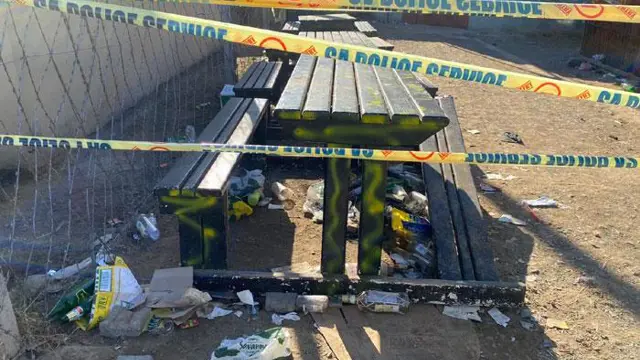
The East London Regional Court, sitting in Mdantsane, has found former Enyobeni Tavern owners Siyakhangela and Vuyokazi Ndevu liable in connection with the 2022 tragedy that claimed the lives of 21 young people at the popular Scenery Park venue.
The long-awaited judgment was delivered on Friday as the court concluded the inquest into one of South Africa’s deadliest tavern disasters. While the full ruling was still being handed down at the time of publication, the court found that the couple failed to comply with liquor legislation by allowing unlawful activities at the establishment.
The inquest was convened to determine whether any individual or institution could be held criminally liable for the deaths of the 21 victims, many of whom were under the legal drinking age. The tragedy unfolded during a packed “pens down” celebration at the Enyobeni Tavern in Scenery Park, East London, in June 2022, sending shockwaves across the country.
During the proceedings, evidence leader Advocate Luvuyo Vena argued that responsibility extended beyond the tavern owners. He submitted that the Eastern Cape Liquor Board, police officers and other officials had also failed in their respective duties, contributing to the circumstances that led to the disaster. Lawyers representing the bereaved families similarly argued that accountability should be shared among all those who neglected their legal obligations.
The Ndevus had previously been convicted in 2024 for selling alcohol to minors in contravention of the Eastern Cape Liquor Act after the court found they were responsible for supplying liquor to underage patrons at the tavern.
The findings of the inquest are expected to provide crucial guidance on whether criminal prosecutions should follow against those found responsible for the events that led to the deaths of the 21 teenagers.
The court was continuing with the delivery of the full judgment on Friday afternoon, with further findings and recommendations expected to be released once proceedings conclude.
Mzansi News
High Alert for 30 June as Anti-Illegal Immigration Protests Expected in Several Provinces
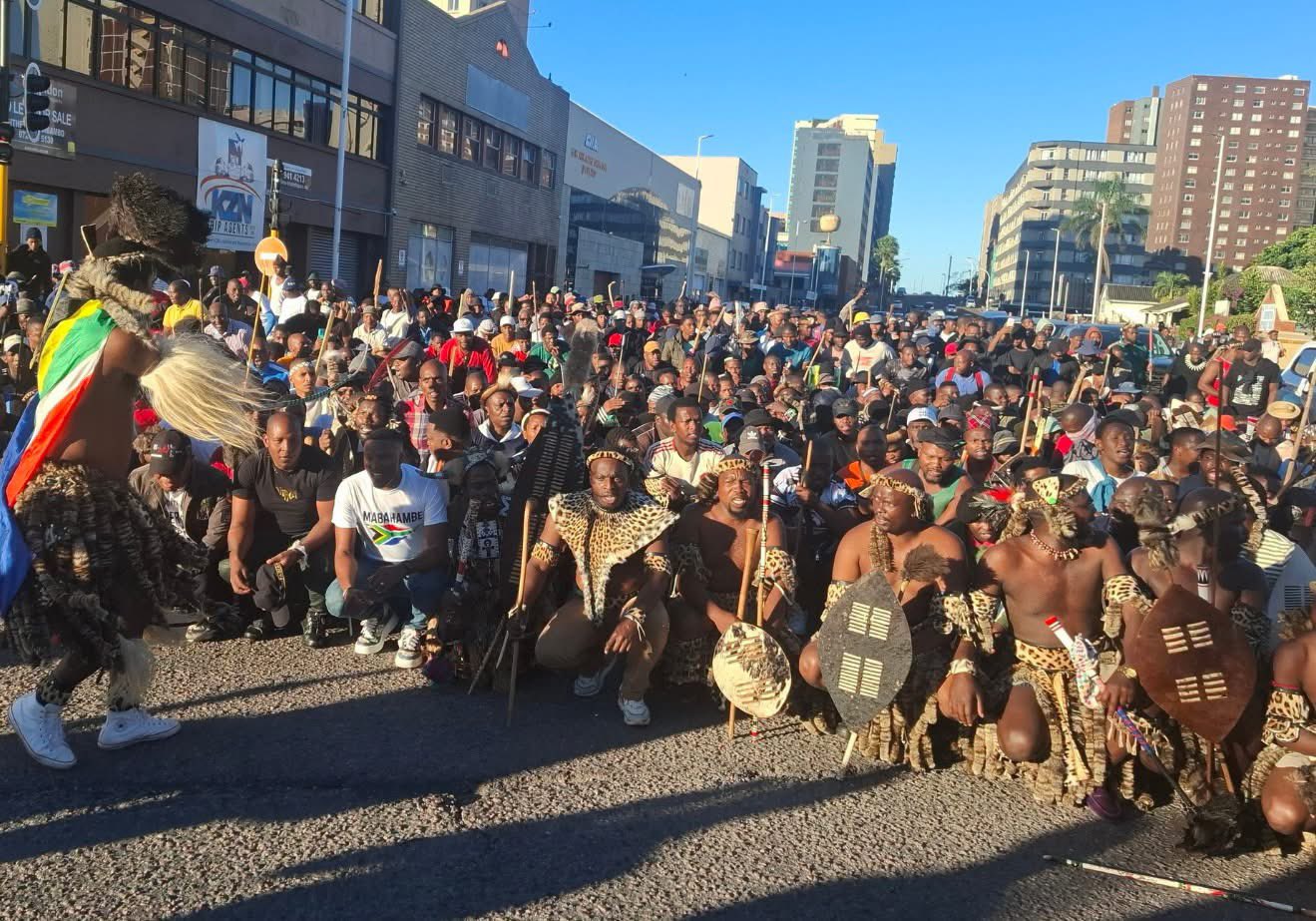
South Africans are being urged to plan ahead and remain vigilant ahead of planned protest action scheduled for Tuesday, 30 June 2026, with an advisory identifying several provinces, cities and key transport corridors expected to experience varying levels of disruption.
According to the advisory notice, the protests could affect travel, business operations and public transport in several parts of the country, particularly in areas classified as high risk, where significant disruptions are anticipated.
High-risk provinces and areas
The advisory identifies the following areas as being at the highest risk of disruption:
Gauteng: Johannesburg CBD, Hillbrow, Alexandra, Diepsloot, Kagiso, Tembisa, Soshanguve, Mamelodi and Tshwane CBD.
KwaZulu-Natal: Durban CBD, KwaMashu, Umlazi, Phoenix, Inanda, Pietermaritzburg CBD, Newcastle and Empangeni.
Limpopo: Polokwane CBD, Thohoyandou, Tzaneen, Burgersfort and Musina, including the border town.
Medium-risk provinces
Areas expected to experience possible disruptions include:
Western Cape: Nyanga, Khayelitsha, Mitchells Plain, Philippi, Dunoon, Joe Slovo and Cape Town CBD.
Eastern Cape: Gqeberha CBD, New Brighton, Motherwell, East London CBD, Mdantsane and Mthatha.
Northern Cape: Kimberley CBD, Galeshewe, Upington and Kuruman.
Low to medium-risk areas
The advisory also highlights provinces where some disruptions are possible:
Mpumalanga: Mbombela CBD, Emalahleni, Secunda, Bushbuckridge and Kwaggafontein.
Free State: Bloemfontein CBD, Thaba Nchu, Sasolburg and Harrismith.
Lower-risk province
North West has been classified as a lower-risk province, with minimal disruption expected. Areas listed include Rustenburg, Potchefstroom CBD, Brits and Mahikeng.
Key transport corridors under watch
Authorities have also identified several transport and logistics routes that could be affected by protest activity, including:
Retail centres and logistics hubs across Gauteng, particularly along the N1 and N3 corridors.
The N3 Toll Route in KwaZulu-Natal, including Mooi River, Marianhill Toll, Durban Port logistics lanes and Richards Bay.
The N2 Gateway and routes leading to Cape Town International Airport in the Western Cape.
The N4 Highway to the Mozambique border and mining supply routes in Mpumalanga.
The N1 corridor connecting Polokwane, Tzaneen and Musina in Limpopo.
The N3 through Harrismith and the N1 through Bloemfontein in the Free State.
The N2 coastal route and industrial zones around Coega in the Eastern Cape.
Commercial hubs and logistics routes around Beitbridge.
Public advised to plan ahead
The advisory encourages residents and motorists to:
Plan journeys in advance and allow extra travel time.
Stay informed through trusted and official sources.
Keep communication open with family, employers and service providers.
Avoid protest areas and prioritise personal safety.
Follow instructions issued by law enforcement and emergency personnel.
Authorities are encouraging the public to remain calm, avoid unnecessary travel through identified hotspots where possible, and work together to minimise disruptions while ensuring the safety of communities, businesses and essential services.
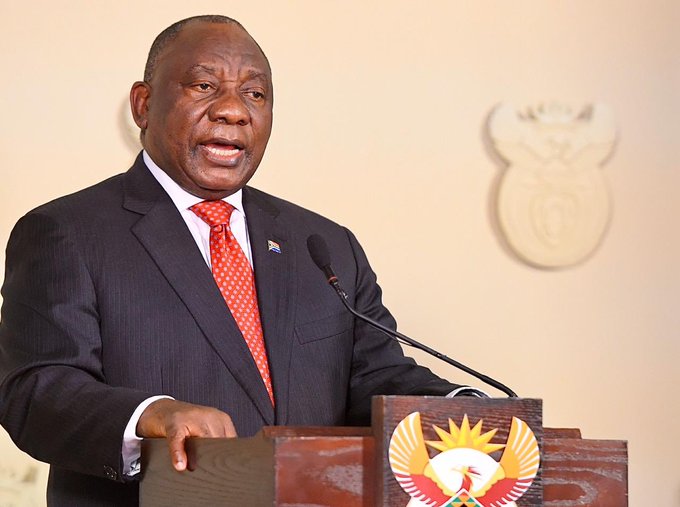
President Cyril Ramaphosa has announced a series of measures aimed at addressing growing public concerns over illegal immigration and border security as tensions around undocumented migrants continue to rise across South Africa.
The president addressed the nation on Sunday following weeks of anti-immigrant protests and increasing pressure on government to act against undocumented foreign nationals living in the country. Demonstrations have been reported in several provinces, including Gauteng, KwaZulu-Natal and the Western Cape, with some communities demanding stricter immigration enforcement.
One of the groups at the centre of the protests is March and March, an anti-migrant movement that has been organising demonstrations and calling for undocumented migrants to leave South Africa by June 30. The group’s campaign has sparked fear among some foreign nationals, with reports indicating that several migrants have already left certain communities due to concerns over possible violence and planned shutdown actions at the end of the month.
In his address, Ramaphosa acknowledged that many South Africans feel frustrated about immigration, unemployment and crime, saying government could not ignore the concerns being raised by citizens.
“South Africans are asking difficult but legitimate questions,” the president said. “They are concerned about safety, security and the rule of law. These concerns are real, and they deserve to be addressed.”
Ramaphosa stressed that South Africa remains a constitutional democracy governed by law and warned against vigilante actions targeting foreign nationals. He said only authorised law enforcement and immigration officials have the legal authority to deal with immigration violations.
“No individual or group has the right to stop people on the streets, demand identification documents or threaten foreign nationals,” he said. “Such actions undermine the rule of law and threaten social stability.”
The president outlined five key interventions government will implement to strengthen immigration management and improve border control.
The first measure involves intensifying operations against undocumented migrants and criminal syndicates linked to human trafficking, illegal border crossings and fraudulent documentation. Authorities will also increase collaboration between police, immigration officials and intelligence agencies to combat organised crime connected to illegal migration.
Secondly, government plans to strengthen border management systems to reduce illegal entry into the country. Ramaphosa said the Border Management Authority would receive additional support and resources to improve surveillance and monitoring at ports of entry.
The third intervention focuses on improving the efficiency of the immigration system, including visa processing, asylum applications and deportation procedures. Government has faced criticism in recent years over delays and backlogs within the Department of Home Affairs, with some cases taking years to process.
The fourth measure includes cracking down on corruption involving immigration officials and syndicates accused of selling fraudulent permits and identity documents. Ramaphosa said corruption within the system weakens national security and damages public trust in government institutions.
The fifth intervention involves working with communities and civil society organisations to prevent violence and xenophobic attacks while promoting lawful solutions to immigration challenges.
Ramaphosa also urged South Africans not to blame all foreign nationals for the country’s economic and social difficulties. He said many migrants contribute positively to the economy and society through business activities, labour and skills development.
South Africa has long struggled with high unemployment, poverty and crime, factors that have fuelled tensions between local communities and foreign nationals. Competition for jobs and access to public services has often intensified frustrations, particularly in poorer communities.
Political parties and civil society groups remain divided on how government should respond. Some organisations have called for tougher border controls and stricter immigration laws, while others warned against xenophobia and collective punishment of migrants.
Human rights groups have also expressed concern over inflammatory rhetoric during recent protests, warning that anti-migrant campaigns could escalate into violence similar to previous xenophobic attacks witnessed in the country over the years.
Ramaphosa appealed for calm and unity, saying government would continue enforcing the law while protecting the rights and dignity of everyone living in South Africa.
“We must resolve these challenges through lawful means,” he said. “We cannot allow fear, anger or frustration to divide our communities or lead to violence.”


Wicknell Chivayo Reportedly Among Victims of Fatal Helicopter Crash in Zimbabwe

Celebrating the Extraordinary Career of Veteran Actor Seputla Sebogodi

Former Enyobeni Tavern owners found liable in inquest into deaths of 21 teenagers

High Alert for 30 June as Anti-Illegal Immigration Protests Expected in Several Provinces

Tyra Banks Takes Legal Action Over Netflix Documentary,

TV Personality Jub Jub Arrested After Alleged Kidnapping and Firearm Incident in Edenvale

Gerda Steyn Reigns Supreme Again with Record-Breaking Fifth Comrades Marathon Triumph

Doja Cat Roasts Elon Musk While Begging for X Feature Return

Ramaphosa Announces Five Measures to Tackle Illegal Immigration Amid Rising Tensions

Ngizwe Mchunu Issues Public Apology to Julius Malema After Defamation Court Ruling
Former Enyobeni Tavern owners found liable in inquest into deaths of 21 teenagers
Celebrating the Extraordinary Career of Veteran Actor Seputla Sebogodi
Wicknell Chivayo Reportedly Among Victims of Fatal Helicopter Crash in Zimbabwe
-

 Entertainment3 years ago
Cyan Boujee makes her Instagram private after her leaked explicit tape
-

 Africa News10 years ago
Jesus Is NOT Coming BACK – Vatican Says
-

 Gig Guide3 years ago
10th DStv Delicious International Food & Music – 23-24 September 2023
-

 Football3 years ago
Itumeleng Khune: I am not ready to retire
-

 Tech News3 years ago
Here’s what we know about Samsung UI 6, Android 14
-

 Entertainment3 years ago
2023 DStv Content Creator Awards Nominees
-

 Gig Guide2 years ago
Grootman and Gcinile tlof tlof tape leaked
-

 Football3 years ago
FIFA Women’s World Cup 2023: Spain 3 – 0 Costa Rica